Foundations
What Is Unani Medicine? A Beginner's Guide
A centuries-old system of healing that travelled from ancient Greece through Persia and the Arab world to India — and is still practised today.
20 November 2026 · 2 min read
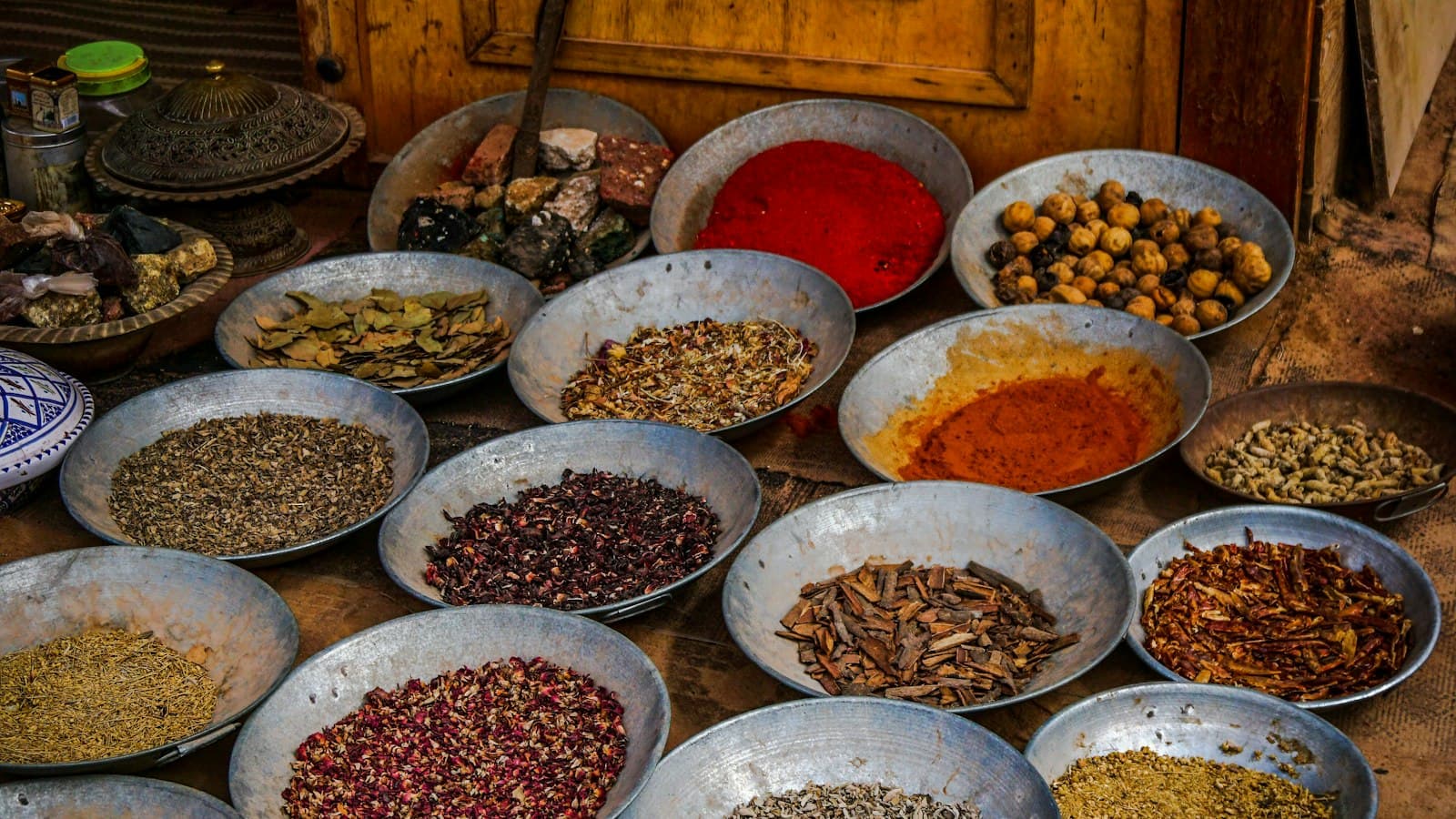
Unani medicine — also called Unani Tibb — is one of the oldest documented systems of healing still in everyday use. Its name comes from the Arabic word for Greece, Yunan, a nod to where its ideas first took shape.
From Greece to India
The foundations of Unani were laid by the Greek physicians Hippocrates and, later, Galen, who described health as a balance of the body's humours. Between the 9th and 13th centuries, scholars of the Arab and Persian world translated, tested and greatly expanded that knowledge. The most celebrated of them, Ibn Sina (Avicenna), compiled Al-Qanun fi'l-Tibb — the Canon of Medicine — which was taught in medical schools across Asia and Europe for centuries.
Unani reached India around the 12th and 13th centuries and flourished under royal patronage. Indian hakims (Unani physicians) enriched it with local herbs and their own clinical experience, and India today has one of the largest communities of Unani practitioners, colleges and pharmacies in the world.
A recognised system of medicine
In India, Unani is one of the officially recognised traditional systems of medicine — it is the "U" in AYUSH (Ayurveda, Yoga & Naturopathy, Unani, Siddha and Homoeopathy). Practitioners study a structured degree course, and research is supported through national institutions.
The core idea: balance
Unani sees each person as a whole. Health is a state of balance — between the body's humours, within your individual temperament, and between you and your environment. When that balance is disturbed, the aim of treatment is to help the body restore it.
Central to this is Tabiyat — the body's own innate power to preserve health and heal itself. A Unani physician's job is to support that natural capacity rather than override it.
How Unani approaches care
Traditionally, care follows a gentle order:
- Ilaj bil Tadbeer — regimental therapy: adjusting routine, exercise, massage and other physical therapies.
- Ilaj bil Ghiza — dietotherapy: using food to restore balance.
- Ilaj bil Dawa — pharmacotherapy: medicines made mostly from plants, and some minerals and animal-derived ingredients.
- Ilaj bil Yad — surgery, used only when needed.
Lifestyle and diet come first; medicine supports them.
Is Unani right for me?
Many people turn to Unani for long-term, everyday wellness — digestion, joint comfort, vitality — and value its focus on routine and natural ingredients. If you have a medical condition, are pregnant, or take regular medicines, speak to a qualified practitioner first. Our experts are happy to help you get started.
This article is for general information about traditional Unani practice. It is not medical advice and is not a substitute for diagnosis or treatment by a qualified healthcare professional.
Have questions about your health?
Our Unani experts offer free, personal consultations.
Keep reading
 Foundations
Mizaj and the Four Humours: How Unani Understands Your Body
Why two people with the same complaint may be advised differently — an introduction to temperament, the heart of Unani thinking.
2 min readRead Everyday Wellness
The Six Essentials of Health: Unani's Guide to Daily Living
Air, food, movement, emotions, sleep and elimination — the six everyday factors Unani says shape your health, with simple ways to care for each.
2 min readRead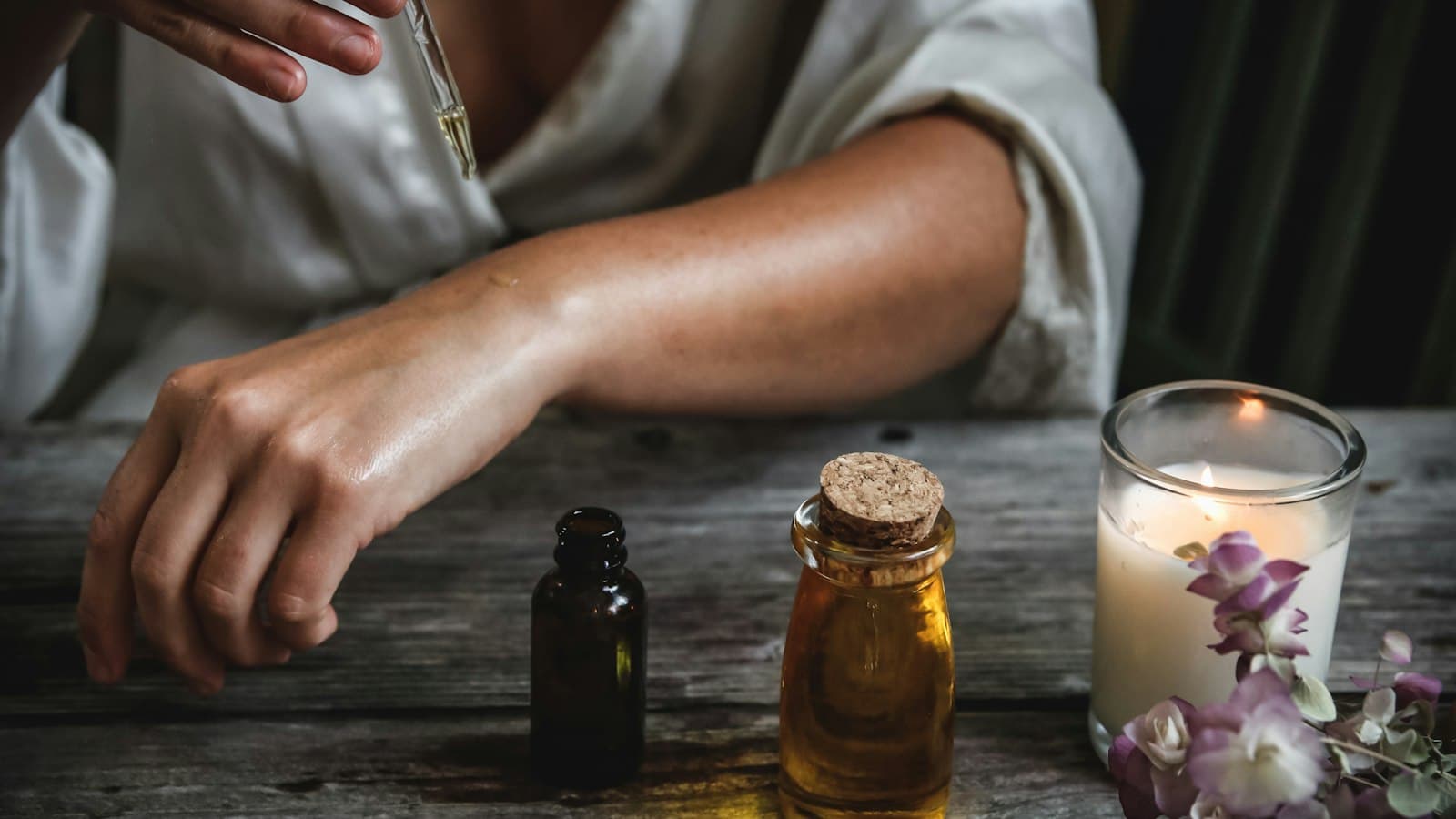 Using Unani Remedies
Majoon, Tilla, Roghan: A Guide to Unani Medicine Forms
Confections, oils, liniments and powders — what the traditional names on Unani labels mean, and how each form is generally used.
2 min readRead