Using Unani Remedies
Majoon, Tilla, Roghan: A Guide to Unani Medicine Forms
Confections, oils, liniments and powders — what the traditional names on Unani labels mean, and how each form is generally used.
12 November 2026 · 2 min read
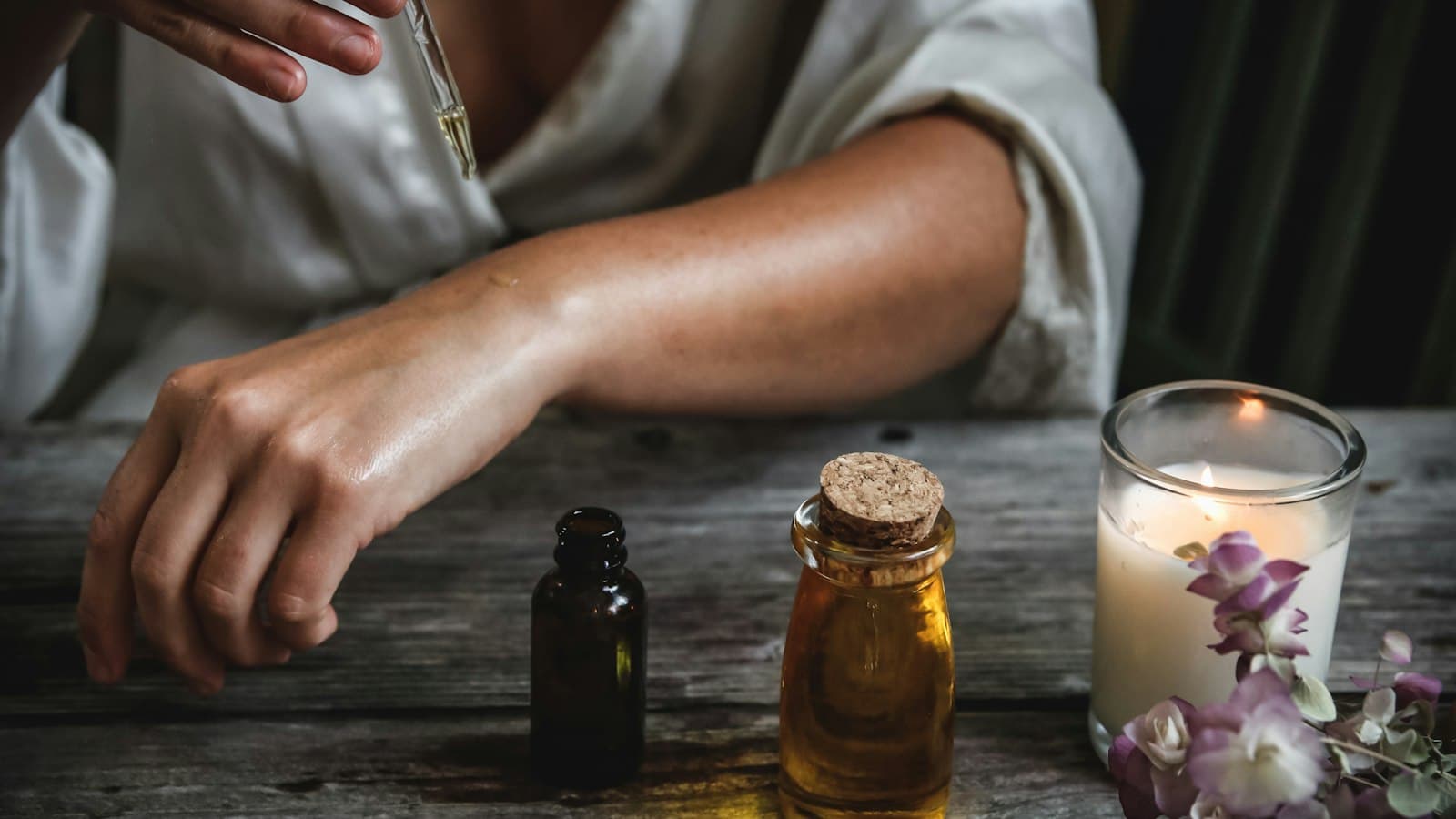
Unani pharmacy has its own vocabulary, and the name on a label tells you a lot about how a remedy is made and used. Here are the forms you're most likely to meet.
Taken by mouth
- Majoon — a semi-solid confection made by blending powdered herbs into a base of honey or sugar syrup. The sweet base preserves the herbs and makes them pleasant to take. Majoons are usually taken in small spoonfuls, often with milk or water.
- Khamira — a special kind of confection, prepared through a traditional process that gives it a smooth, rich texture.
- Jawarish — a confection traditionally associated with digestion, often taken after meals.
- Safoof — a fine herbal powder, usually taken with water or another vehicle as directed.
- Habb and Qurs — pills and tablets; convenient, measured doses.
- Sharbat and Arq — syrups and herbal distillates.
Applied to the skin
- Roghan — a medicated oil, prepared by cooking herbs in an oil base. Commonly used for massage (dalak), which Unani values in its own right.
- Tilla — a liniment, usually applied in small amounts to a specific area and rubbed in gently.
- Marham — an ointment.
- Zimad — a paste for external application.
- Balms — a modern, convenient format for targeted external use.
General tips
- Always follow the dose and directions on the label, or those given by your practitioner.
- Do a small patch test before using a new oil or liniment, especially if you have sensitive skin.
- Store remedies in a cool, dry place, away from direct sunlight, with the lid tightly closed.
- Use a clean, dry spoon for confections and powders to keep them fresh.
- Keep all medicines out of reach of children.
Unsure which form suits you, or how to take a particular remedy? Message us on WhatsApp or book a free consultation — we're glad to help.
This article is for general information about traditional Unani practice. It is not medical advice and is not a substitute for diagnosis or treatment by a qualified healthcare professional.
Have questions about your health?
Our Unani experts offer free, personal consultations.
Keep reading
 Foundations
What Is Unani Medicine? A Beginner's Guide
A centuries-old system of healing that travelled from ancient Greece through Persia and the Arab world to India — and is still practised today.
2 min readRead Foundations
Mizaj and the Four Humours: How Unani Understands Your Body
Why two people with the same complaint may be advised differently — an introduction to temperament, the heart of Unani thinking.
2 min readRead Everyday Wellness
The Six Essentials of Health: Unani's Guide to Daily Living
Air, food, movement, emotions, sleep and elimination — the six everyday factors Unani says shape your health, with simple ways to care for each.
2 min readRead